Design systems
DesignOps
Accessibility (WCAG)
Leadership
Enterprise
B2B
RISE — Worten Design System
The system Worten didn’t know they needed.
Company
Worten (Sonae Group)
Worten
(Sonae Group)
Role
Lead Designer & Product Owner
Period
Apr 2023 - Present
Team
7 designers, 5 developers
95%
Component adoption
across 31 teams
60+
Components built from foundations
to complex patterns
80%
80%
Of the designers report saving
significant time vs. before
4.75/5
4.75/5
User confidence score using RISE
Of the designers report saving
significant time vs. before
__
The problem
__
The problem
__
The problem
Dozens of product teams. Valuable design scattered everywhere. I organised it, governed it, and turned it into a system.
Dozens of product teams. Valuable design scattered everywhere. I organised it, governed it, and turned it into a system.
Context
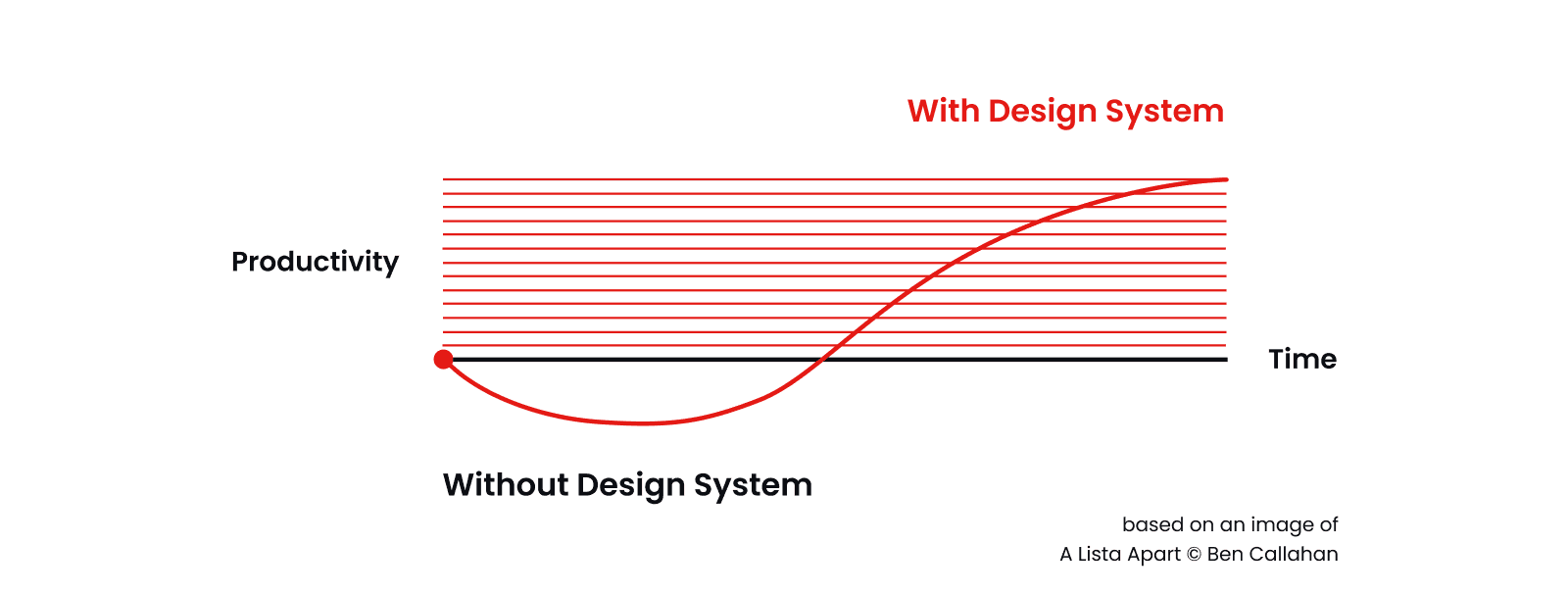
Worten's digital ecosystem had grown organically over the years, resulting in 20+ B2B products built in silos, 7 of which were audited in depth. Each team created their own components, maintained separate design files, and spent 40% of design time recreating existing solutions.
The impact
The real cost wasn't just duplicated work; it was inconsistent user experiences across products, slower time-to-market, and a growing gap between design and engineering velocity.

__
The solution
__
The solution
__
The solution
Maximum flexibility. Maximum responsibility.
Maximum flexibility. Maximum responsibility.
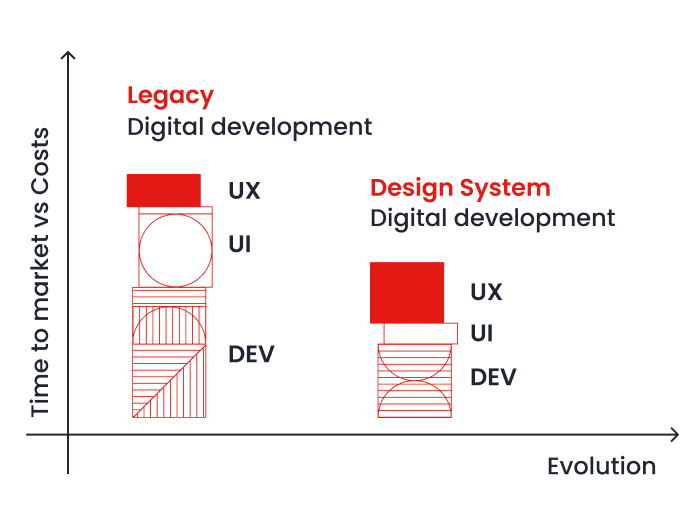
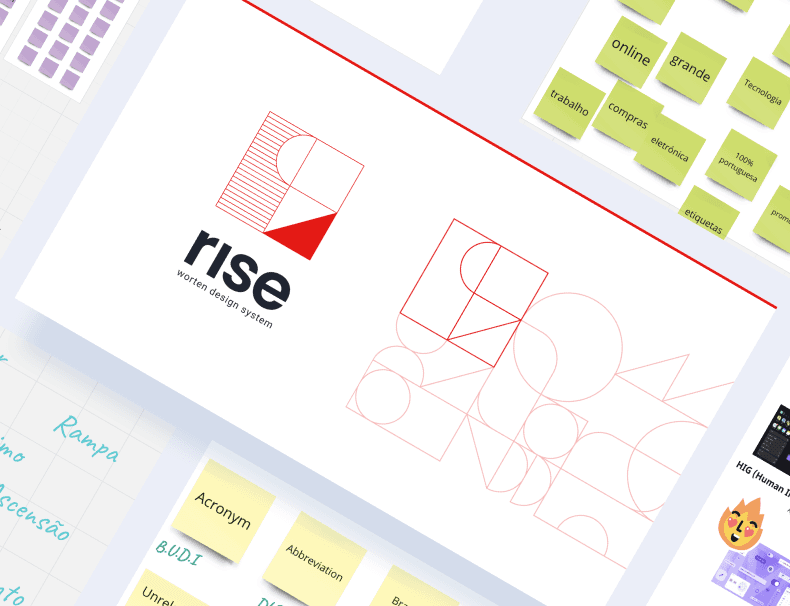
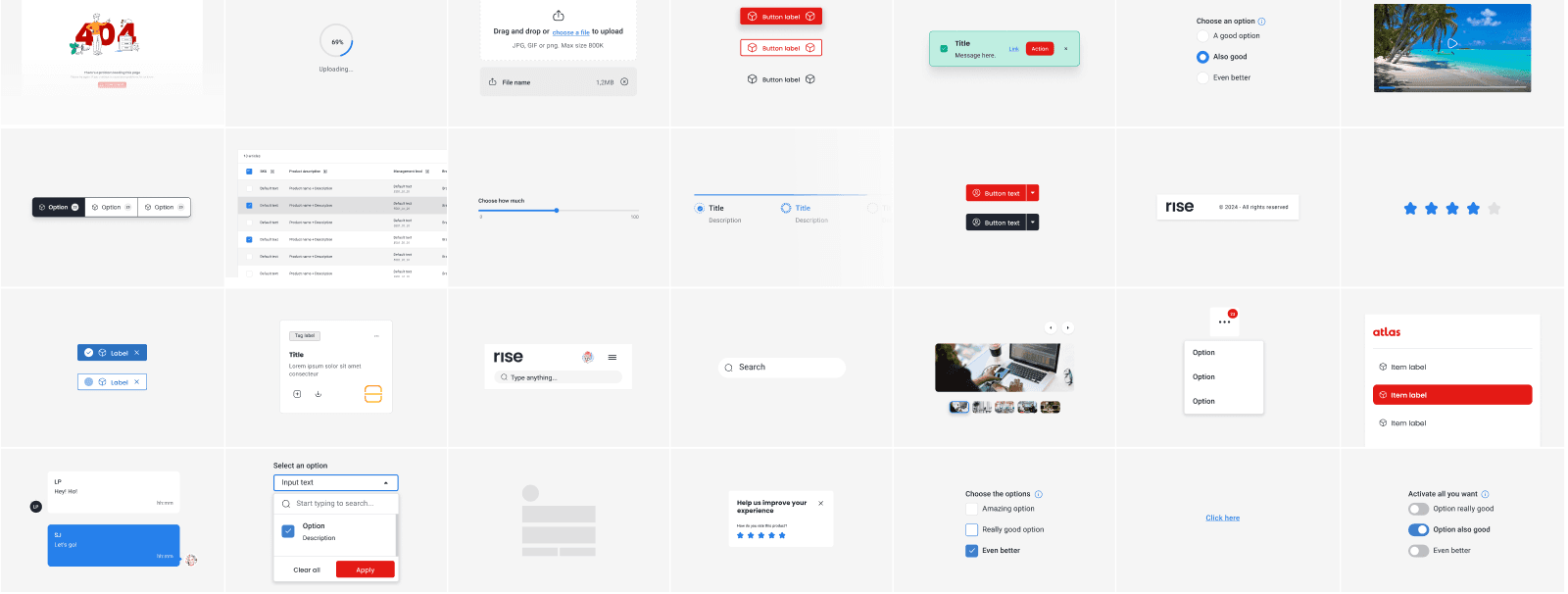
Built RISE, a scalable design system that unified 20+ products under one visual language.
I functioned as both Product Designer and Product Owner, managing the full lifecycle from strategy to adoption.
Built RISE, a scalable design system that unified 20+ products under one visual language. I functioned as both Product Designer and Product Owner, managing the full lifecycle from strategy to adoption.

__
The hard decisions
__
The hard decisions
__
The hard decisions
These are the decisions that separate design system builders from design system leaders.
These are the decisions that separate design system builders from design system leaders.
1
Aligning 20+ product teams under one visual language
Decision: Negotiated a dedicated investment window by showing leadership that doing nothing was the most expensive option.
✓ Full stakeholder buy-in
✓ Zero roadmap conflicts
2
Balancing consistency with product team autonomy
Decision: Built a governance model where product designers own the system in their teams, keeping quality without slowing teams down.
✓ 95% adoption across teams
3
Making accessibility non-negotiable from day one
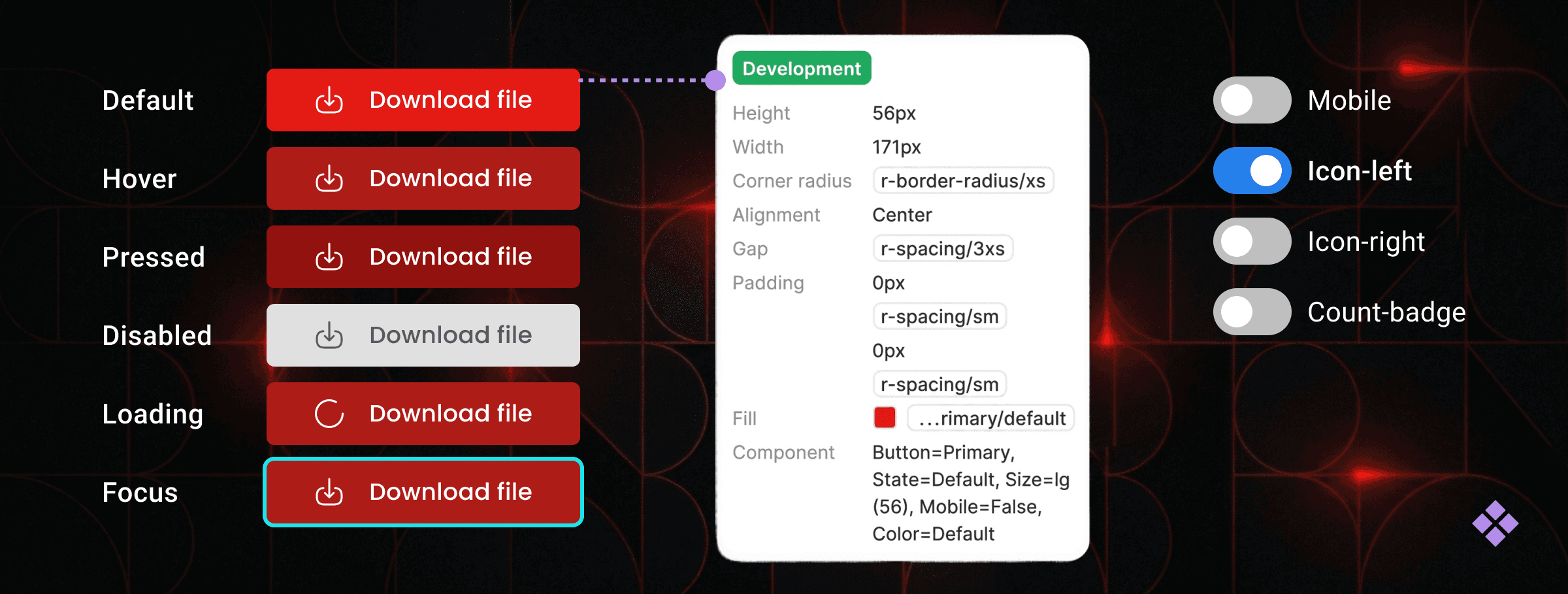
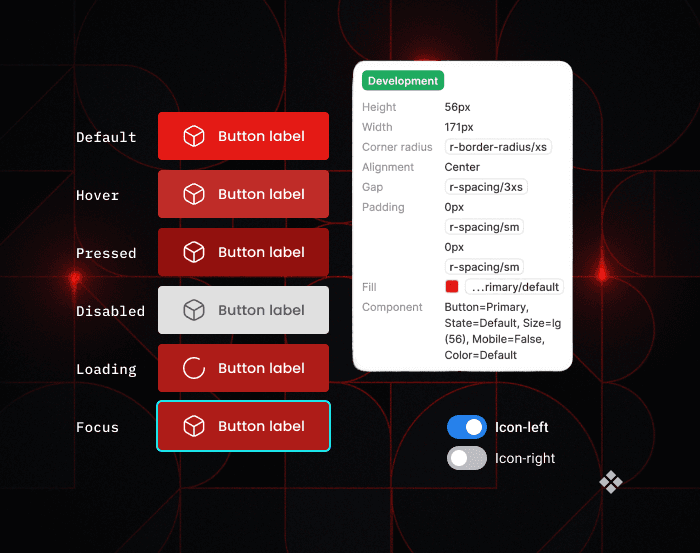
Decision: Every component was built with WCAG AA compliance from day one, with no exceptions.
✓ Accessibility standards



__
The process
__
The process
__
The process
Foundations
3 months
Set up the governance model, created regular syncs across teams, and researched how the best design systems in the industry worked.
→ Built trust before building components.
Build & Scale
12 months
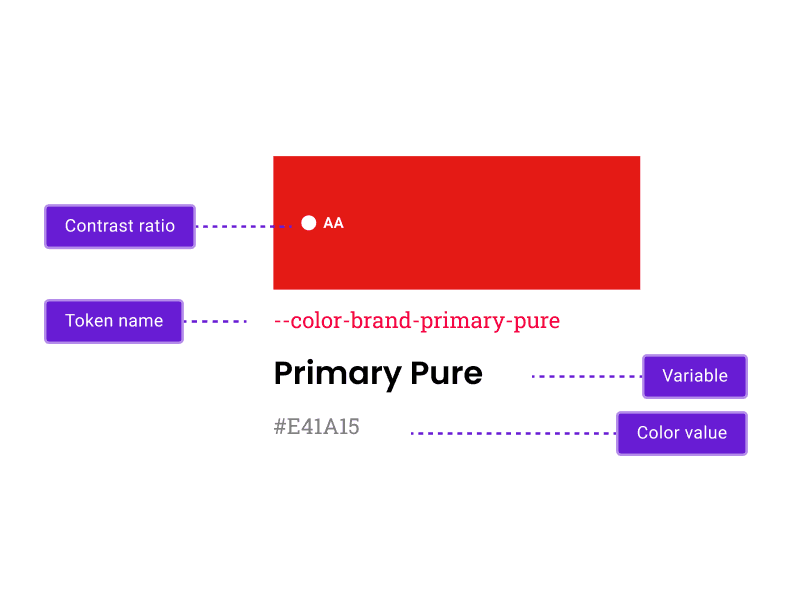
Led creation of foundations (tokens, typography, colors) and 60+ components.
→ One source of truth for design and engineering.
Multi-technology
6 months
Extended the system into code, built in HTML/CSS documented via Storybook, and developed a dedicated RISE theme for OutSystems, enabling consistent component consumption across different technology stacks.
→ One design language, multiple technology outputs.
Discovery
4 months
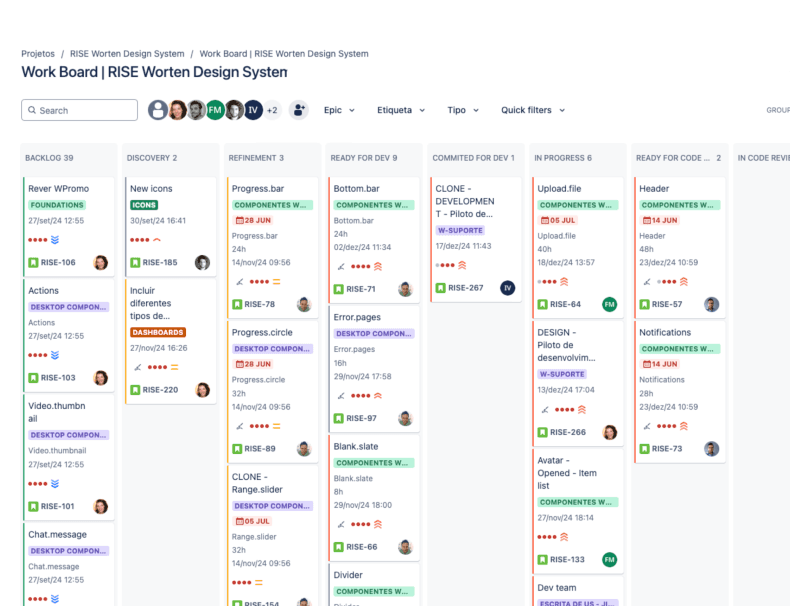
Audited 7+ B2B products, identified 40+ unique components doing the same things differently.
→ Mapped unified component families with clear variants.
Adoption
12+ months
Drove adoption through workshops, documentation, and hands-on migration support. Changed behaviour, not just tools.
→ 95% component adoption across 20+ products.
Evolution
On going
Continuous maintenance and improvements, deprecating outdated patterns, raising quality standards, and evolving the system alongside product and brand needs. A living system, not a finished one.
→ A design system that grows with the product, not against it.
Foundations
3 months
Set up the governance model, created regular syncs across teams, and researched how the best design systems in the industry worked.
→ Built trust before building components.
Discovery
4 months
Audited 7+ B2B products, identified 40+ unique components doing the same things differently.
→ Mapped unified component families with clear variants.
Build & Scale
12 months
Led creation of foundations (tokens, typography, colors) and 60+ components.
→ One source of truth for design and engineering.
Adoption
12+ months
Drove adoption through workshops, documentation, and hands-on migration support. Changed behaviour, not just tools.
→ 95% component adoption across 20+ products.
Multi-technology
6 months
Extended the system into code, built in HTML/CSS documented via Storybook, and developed a dedicated RISE theme for OutSystems, enabling consistent component consumption across different technology stacks.
→ One design language, multiple technology outputs.
Evolution
On going
Continuous maintenance and improvements, deprecating outdated patterns, raising quality standards, and evolving the system alongside product and brand needs. A living system, not a finished one.
→ A design system that grows with the product, not against it.
__
Bringing people along
__
Bringing people along
__
Bringing people along
Building the system was the easier half of the job.
The harder half was convincing people it was worth using.
Building the system was the easier half of the job.
The harder half was convincing people it was worth using.
Change at scale is never straightforward. Some people were new to the concept of a design system entirely and needed to understand why it mattered before they could commit. Others worried it would limit their creative freedom. And with multiple stakeholders involved across different levels, building trust took time — some were convinced early, others needed to see results first.
So I stopped trying to convince people with arguments. I started showing them the results.
I brought stakeholders in early, not to approve decisions, but to shape them. I framed RISE not as a design tool but as a business accelerator: faster delivery, fewer inconsistencies, less rework.
I ran workshops, wrote documentation that non-designers could actually read, and made adoption as frictionless as possible.
For the designers who resisted, I didn't force the system. I made it better than their alternatives. When RISE was more flexible, more documented, and easier to use than building from scratch, the resistance faded on its own.
Change at scale is never straightforward. Some people were new to the concept of a design system entirely and needed to understand why it mattered before they could commit. Others worried it would limit their creative freedom. And with multiple stakeholders involved across different levels, building trust took time — some were convinced early, others needed to see results first.
So I stopped trying to convince people with arguments. I started showing them the results.
I brought stakeholders in early, not to approve decisions, but to shape them.
I framed RISE not as a design tool but as a business accelerator: faster delivery, fewer inconsistencies, less rework. I ran workshops, wrote documentation that non-designers could actually read, and made adoption as frictionless as possible.
For the designers who resisted, I didn't force the system. I made it better than their alternatives. When RISE was more flexible, more documented, and easier to use than building from scratch, the resistance faded on its own.
Change at scale is never straightforward. Some people were new to the concept of a design system entirely and needed to understand why it mattered before they could commit. Others worried it would limit their creative freedom. And with multiple stakeholders involved across different levels, building trust took time; some were convinced early, others needed to see results first.
So I stopped trying to convince people with arguments. I started showing them the results.
I brought stakeholders in early, not to approve decisions, but to shape them. I framed RISE not as a design tool but as a business accelerator: faster delivery, fewer inconsistencies, less rework.
I ran workshops, wrote documentation that non-designers could actually read, and made adoption as frictionless as possible.
For the designers who resisted, I didn't force the system. I made it better than their alternatives. When RISE was more flexible, more documented, and easier to use than building from scratch, the resistance faded on its own.
Some people are still not fully converted. That's honest. But the system is alive, adopted, and growing— and that only happens when people choose to use it.
Some people are still not fully converted. That's honest. But the system is alive, adopted, and growing, and that only happens when people choose to use it.

__
Technical architecture
__
Technical architecture
__
Technical architecture
Architecture
Design tokens → Foundations → Components → Patterns
Architecture
-> Design tokens → Foundations
→ Components → Patterns
Inspired by Brad Frost's Atomic Design principles: adapted to fit Worten's product ecosystem and team structure.
Figma
Supernova
Confluence
HTML & CSS
Outsystems
Other technologies
✓ WCAG AA compliance baked into every component from day one.
✓ Automated docs via Supernova + Confluence for cross-functional alignment.
✓ WCAG AA compliance baked into every component from day one.
✓ Automated docs via Supernova + Confluence for cross-functional alignment.

__
The team
__
The team
__
The team
RISE was built by a rotating team of designers and developers who contributed at different stages of the journey:
RISE was built by a rotating team of designers and developers who contributed at different stages of the journey:
7 7 Design contributors
✓ 1 Lead Designer (me)
✓ 3 Senior / Mid designers
✓ 3 Junior designers
✓ 1 Lead Designer (me)
✓ 3 Senior / Mid designers
✓ 3 Junior designers
Designers from different products in our team COE UX contributed to naming, components, patterns, UX Writing, and, of course, feedback.
6 Engineering contributors
✓ 3 OutSystems developers (initial
platform)
✓ 2 HTML/React developers (web
components)
✓ 1 React developer (current, maintenance
+ new components + project support)
✓ 3 OutSystems developers (initial
platform)
✓ 2 HTML/React developers (web
components)
✓ 1 React developer (current —
maintenance + new components +
project support)
Engineering team provides ongoing support and helps project teams adopt RISE.
7 7 Design contributors
✓ 1 Lead Designer (me)
✓ 3 Senior / Mid designers
✓ 3 Junior designers
Designers from different products in our team COE UX contributed to naming, components, patterns, UX Writing, and, of course, feedback.
6 Engineering contributors
✓ 3 OutSystems developers (initial
platform)
✓ 2 HTML/React developers (web
components)
✓ 1 React developer (current —
maintenance + new components +
project support)
Engineering team provides ongoing support and helps project teams adopt RISE.
__
Design system lifecycle
__
Design system lifecycle
__
Design system lifecycle
RISE is not a project, it's an evolving product.
RISE is not a project; it's an evolving product.
Establish the core
v1.0 — Foundation • Apr – Jun 2023
Deliverables
✓ Design tokens
✓ Typography system
✓ Colour palette
✓ Spacing & elevation
0 Components
3 Pilot products
0 Components
3 Pilot products
Build the building blocks
v2.0 — Core Components • Jul – Dec 2023
Deliverables
✓ Buttons, inputs, cards
✓ Navigation components
✓ Form elements
✓ Data display
30+ Components
8 Products adopted
30+ Components
8 Products adopted
Enable complex use cases
v3.0 — Patterns & Templates • Jan – Jun 2024
Deliverables
✓ Page templates
✓ Complex patterns
✓ Data visualisation
✓ Mobile components
15+ Products
15+ Products
15+ Products
Mature and optimise
v4.0 — Scale & Optimise • Jul 2024 - Present
Deliverables
✓ Performance improvements
✓ Enhanced documentation
✓ AI integration
✓ Advanced patterns
60+ components
31 teams
20+ products
95% adoption
Establish the core
v1.0 — Foundation • Apr – Jun 2023
Deliverables
✓ Design tokens
✓ Typography system
✓ Colour palette
✓ Spacing & elevation
0 Components
3 Pilot products
Build the building blocks
v2.0 — Core Components • Jul – Dec 2023
Deliverables
✓ Buttons, inputs, cards
✓ Navigation components
✓ Form elements
✓ Data display
30+ Components
8 Products adopted
Enable complex use cases
v3.0 — Patterns & Templates • Jan – Jun 2024
Deliverables
✓ Page templates
✓ Complex patterns
✓ Data visualisation
✓ Mobile components
15+ Products
15+ Products
Mature and optimise
v4.0 — Scale & Optimise • Jul 2024 - Present
Deliverables
✓ Performance improvements
✓ Enhanced documentation
✓ AI integration
✓ Advanced patterns
60+ components
31 teams
20+ products
95% adoption
Roadmap Focus
✓ Figma AI integration for faster prototyping
✓ Figma AI for faster prototyping
✓ Advanced data visualisation components
✓ Advanced data visualisation
✓ Multi-brand theming capabilities
✓ Real-time collaboration features
__
AI in the RISE workflow
__
AI in the RISE workflow
__
AI in the RISE workflow
I don't use AI to replace design decisions. I use it to eliminate the work that gets in their way.
Figma AI
Find-and-replace of UX writing and labels across 60+ components at scale. Design checks that would take hours to review manually are done in minutes.
LLMs
ChatGPT, Gemini, Claude, Copilot and others.
UX writing, user stories, A/B test variants, and documentation written once, formatted for both technical and
non-technical audiences without rewriting the same content twice.
Custom Gems & Claude Skills
Built dedicated workflows for RISE documentation, component specs and governance content. Documentation time cut by half.
I don't use AI to replace design decisions. I use it to eliminate the work that gets in their way.
Figma AI
Find-and-replace of UX writing and labels across 60+ components at scale. Design checks that would take hours to review manually are done in minutes.
LLMs
ChatGPT, Gemini, Claude, Copilot and others.
UX writing, user stories, A/B test variants, and documentation written once, formatted for both technical and non-technical audiences without rewriting the same content twice.
Custom Gems & Claude Skills
Built dedicated workflows for RISE documentation, component specs and governance content. Documentation time cut by half.
__
Outcomes
__
Outcomes
__
Outcomes
Design impact
✓ 95% component adoption across 20+
products teams (within 18 months)
✓ 4.75/5 developer confidence score using
RISE
✓ 80% reduction in design review cycles (5
days → 1 day)
✓ 100% team awareness of design system
existence
✓ 95% component adoption across 20+
products teams (within 18 months)
✓ 4.75/5 developer confidence score
using RISE
✓ 80% reduction in design review
cycles (5 days → 1 day)
✓ 100% team awareness of design
system existence
Business impact
✓ Enabled "Atlas" platform launch 4 months
ahead of schedule
✓ Estimated €1.2M saved in duplicated
design work (Year 1)
✓ Reduced new product onboarding from 3
weeks to 3 days
✓ Zero accessibility violations across core
library
✓ Enabled "Atlas" platform launch 4
months ahead of schedule
✓ Estimated €1.2M saved in duplication
design work (Year 1)
✓ Reduced new product onboarding
from 3 weeks to 3 days
✓ Zero accessibility violations across
core library
Design impact
✓ 95% component adoption across 20+
products teams (within 18 months)
✓ 4.75/5 developer confidence score
using RISE
✓ 80% reduction in design review cycles
(5 days → 1 day)
✓ 100% team awareness of design
system existence
Business impact
✓ Enabled "Atlas" platform launch 4
months ahead of schedule
✓ Estimated €1.2M saved in duplication
design work (Year 1)
✓ Reduced new product onboarding
from 3 weeks to 3 days
✓ Zero accessibility violations across core
library
Note: Results based on internal survey (Q4 2025) and project metrics. Full ROI analysis scheduled for Q2 2026. Limited sample size — values reflect user perception, not objective ROI.
__
Governance
__
Governance
__
Governance
A design system without governance is just a library.
Our model is a decentralised ownership with centralised standards.
A design system without governance is just a library.
Our model is a decentralised ownership with centralised standards.
A design system without governance is just a library. Our model is a decentralised ownership with centralised standards.
Principles
✓ New products start with RISE by default.
✓ Existing products migrate progressively — one page at a time.
✓ Product designers as first line of defence against drift
✓ Formal validation process for new component requests
✓ New products start with RISE by
default.
✓ Existing products migrate
progressively — one page at a time.
✓ Product designers are the first line of
defence against drift.
✓ Formal validation process for new
component requests.
✓ New products start with RISE by default.
✓ Existing products migrate progressively — one page at a time.
✓ Product designers are the first line of defence against drift.
✓ Formal validation process for new component requests.
__
See it live
__
See it live
__
See it live
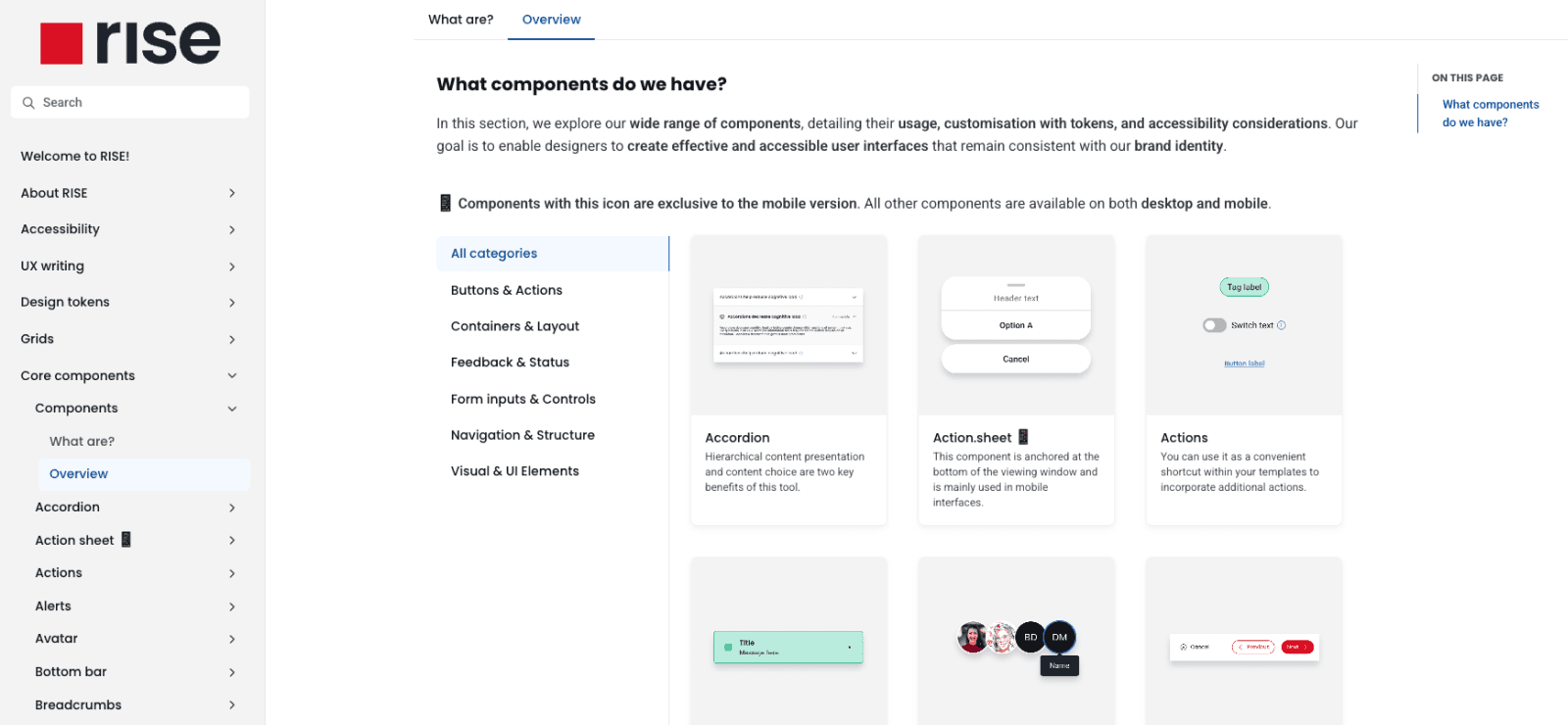
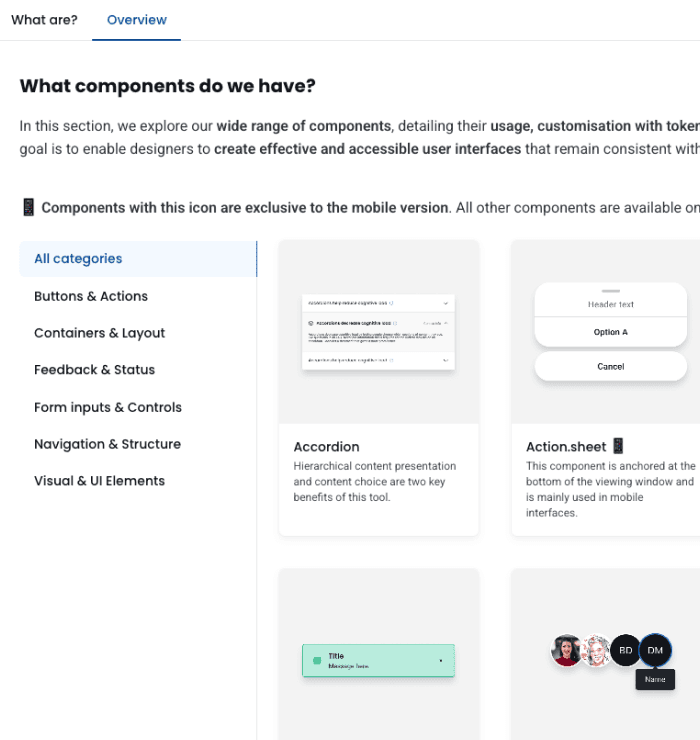
RISE is publicly documented — components, tokens, accessibility guidelines, and more.
One place for designers and developers. No outdated PDFs. No tribal knowledge. Just a living system that speaks for itself.
RISE is publicly documented — components, tokens, accessibility guidelines, and more. One place for designers and developers. No outdated PDFs. No tribal knowledge. Just a living system that speaks for itself.

This wouldn't have been possible without the designers and developers who were part of the team at different stages of the journey. They know who they are.
__
Other projects
__
Other projects
__
Other projects

AI-Driven Homepage
EDP — Digital Workplace. 12,000 people.
14 countries. One coherent workplace.
From benchmarking to high-fidelity prototype, designing an AI-powered mobile experience that adapts to each user in real time.
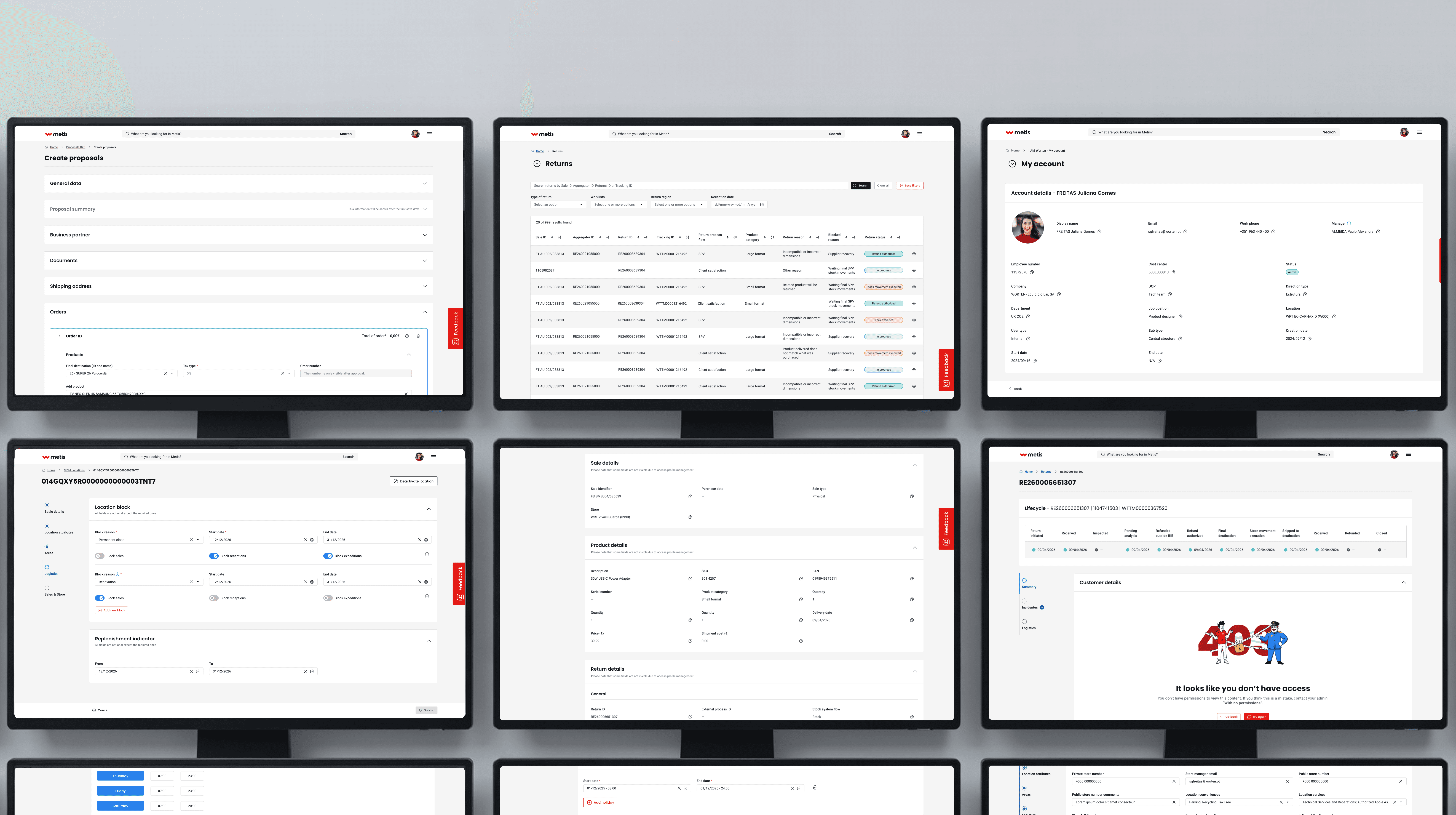
Atlas — Where the system proved itself
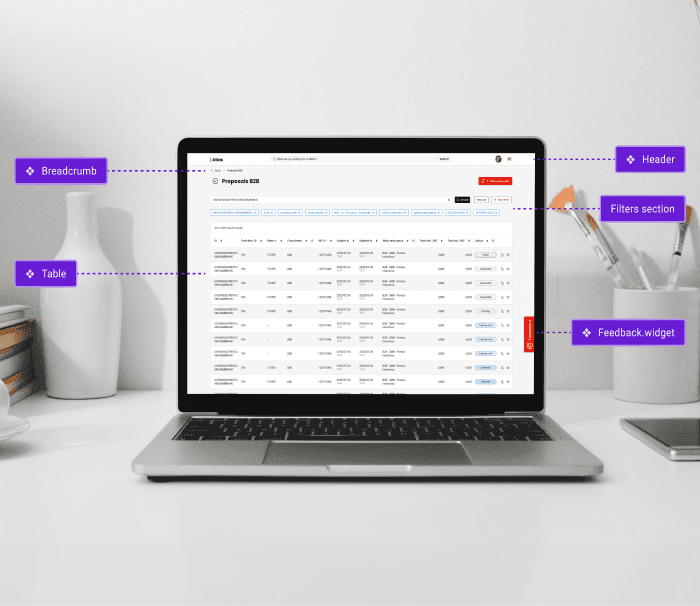
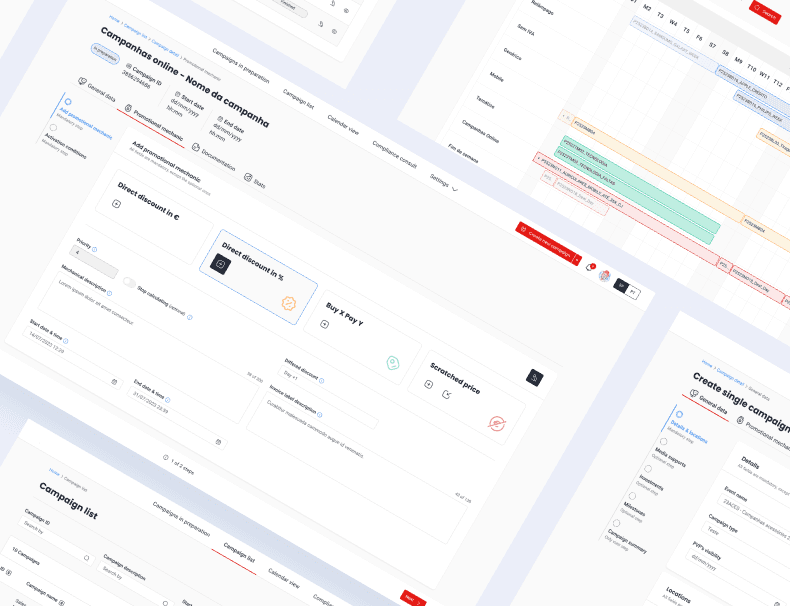
Atlas is Worten’s operational backbone — running everything from site configuration to financial reporting. Upgrading it to RISE wasn’t just a visual refresh. It was proof that what we built could hold up under real complexity.
__
Available for select projects & collaborations
If our goals align, I’d love to meet the team.
__
Available for select projects & collaborations
If our goals align, I’d love to meet the team.
__
Available for select projects
& collaborations
If our goals align, I’d love to meet the team.
Copyright 2026 by Juliana Freitas
Copyright 2026 by Juliana Freitas
Copyright 2026 by Juliana Freitas